

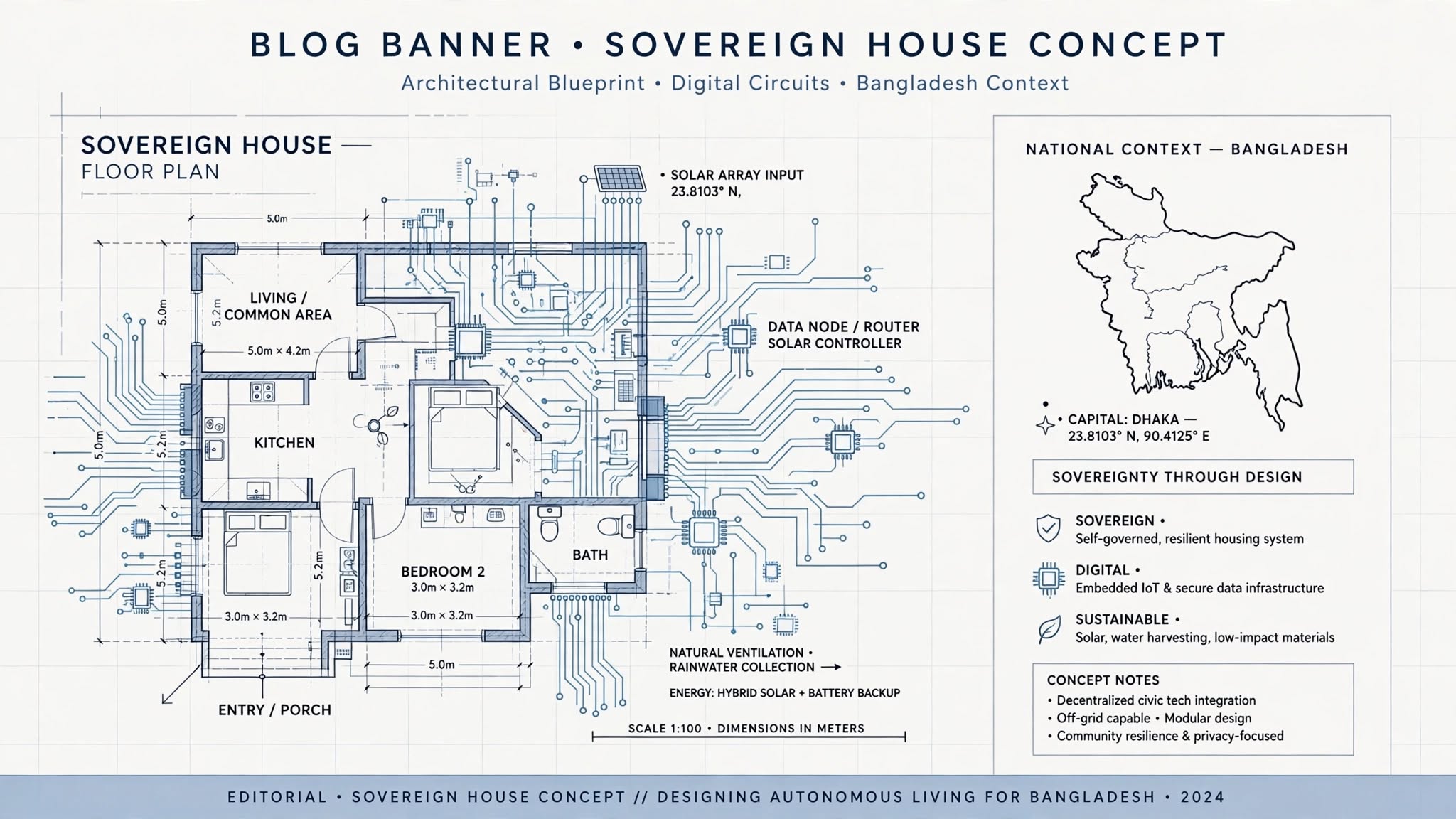
We drew the house as a floor plan before we built any of it — power, water, data, and where each one enters the building. The metaphor held up better than it had any right to.
What we own outright
- Identity. Who a creator is, and the relationship with them. Renting this is how a house stops being a house.
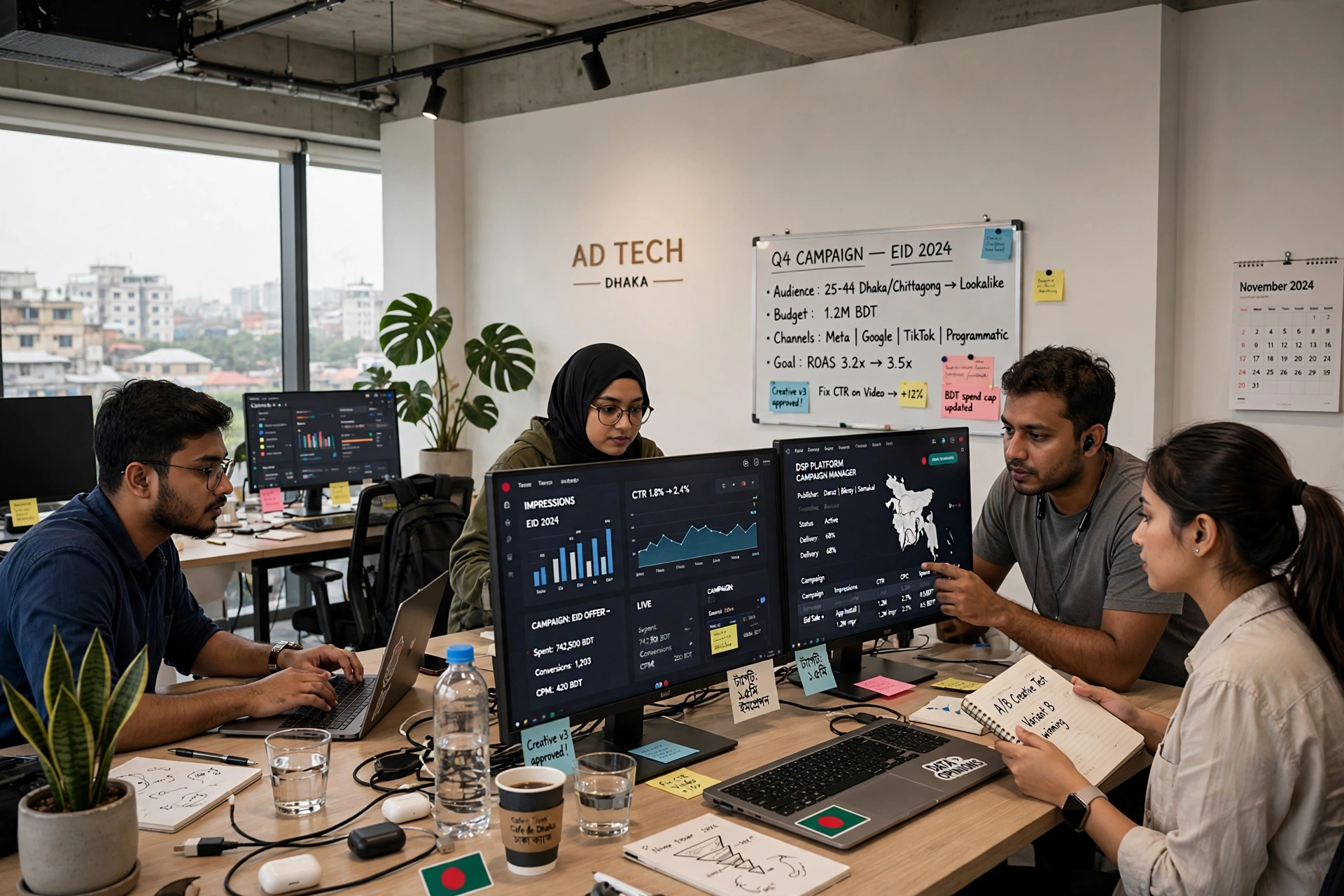
- The ad stack. Monetization is the load-bearing wall. We wrote about why in the 9:16 auction.
- Payout rails. Not because we wanted to build payments, but because the alternative routes every taka through somebody else's decision.
What we happily rent
Compute, storage, CDN, transcoding. All of it is a commodity with several credible suppliers and a low switching cost, which is exactly the test. If we can move off it in a quarter without asking anyone's permission, renting is fine.
The test we actually use
If a supplier doubled their price or changed their terms tomorrow, would it change what we are allowed to build? If yes, it is not a supplier — it is a landlord.
That question has moved two systems from the rent column to the own column in two years, and moved nothing the other way.
Off-grid is a design brief, not a slogan
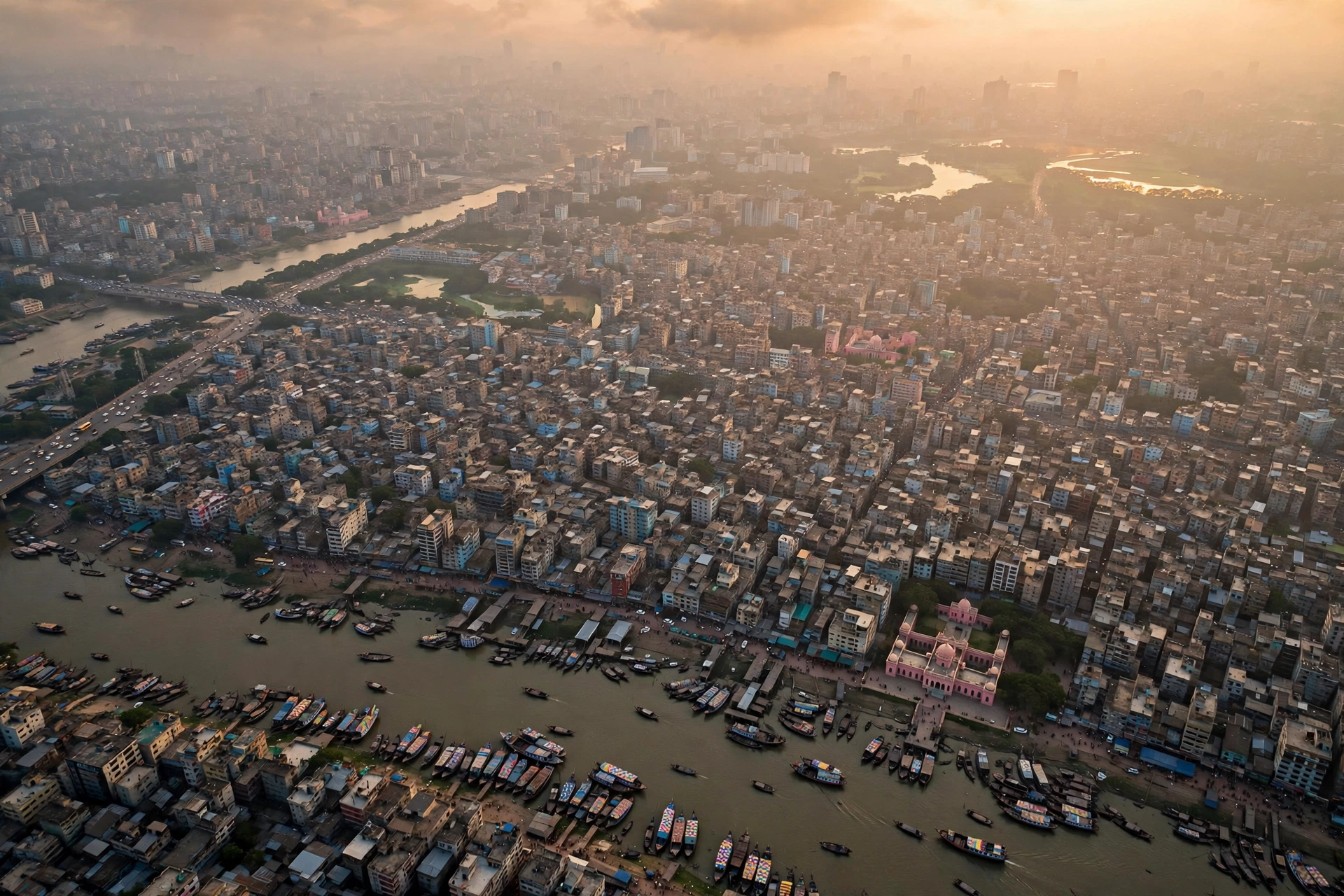
Dhaka's power is not continuous and its connectivity is not uniform. Systems designed for a data centre that never browns out fail here in ways that look like bugs and are actually assumptions. Designing for the floor rather than the ceiling is the same lesson the encoder taught us.